ABOUT RTN
We're a small organization with one job: give small-town and rural destinations the capacity (research, strategy, and technology) that no single one of them could build by itself.

How we started
It began with a question
How are rural destination marketing organizations actually doing? There was national data on big-city tourism and none on the small places doing the same work with a fraction of the resources. So in 2025 we ran the first survey of its kind, 68 rural DMOs across 16 states.
The findings named something everyone in rural tourism felt but couldn't prove: a capacity paradox. Visitation is climbing for most rural destinations, yet staff capacity is their number-one constraint. Growth is outpacing the people and tools available to manage it.
That gap became our mandate. If every rural destination is too small to build modern tourism infrastructure alone, the answer is to build it once and share it. Our first platform, Upstate, is that idea made real.
Our Principles:
-
One-person teams, sub-$1M budgets, wearing every hat. Everything we make is scaled and priced for how rural destinations actually operate, not adapted down from a big-city model.
-
Pooling data, technology, and reach across many destinations gives each one capacity it could never afford alone. The network is the foundation.
-
We bring original national research and free diagnostics, so your decisions and your funding cases rest on data, not anecdotes.
-
We work with you, at your pace, on your budget. Not a project we drop and leave, a relationship that grows as the network does.
About Our Founder
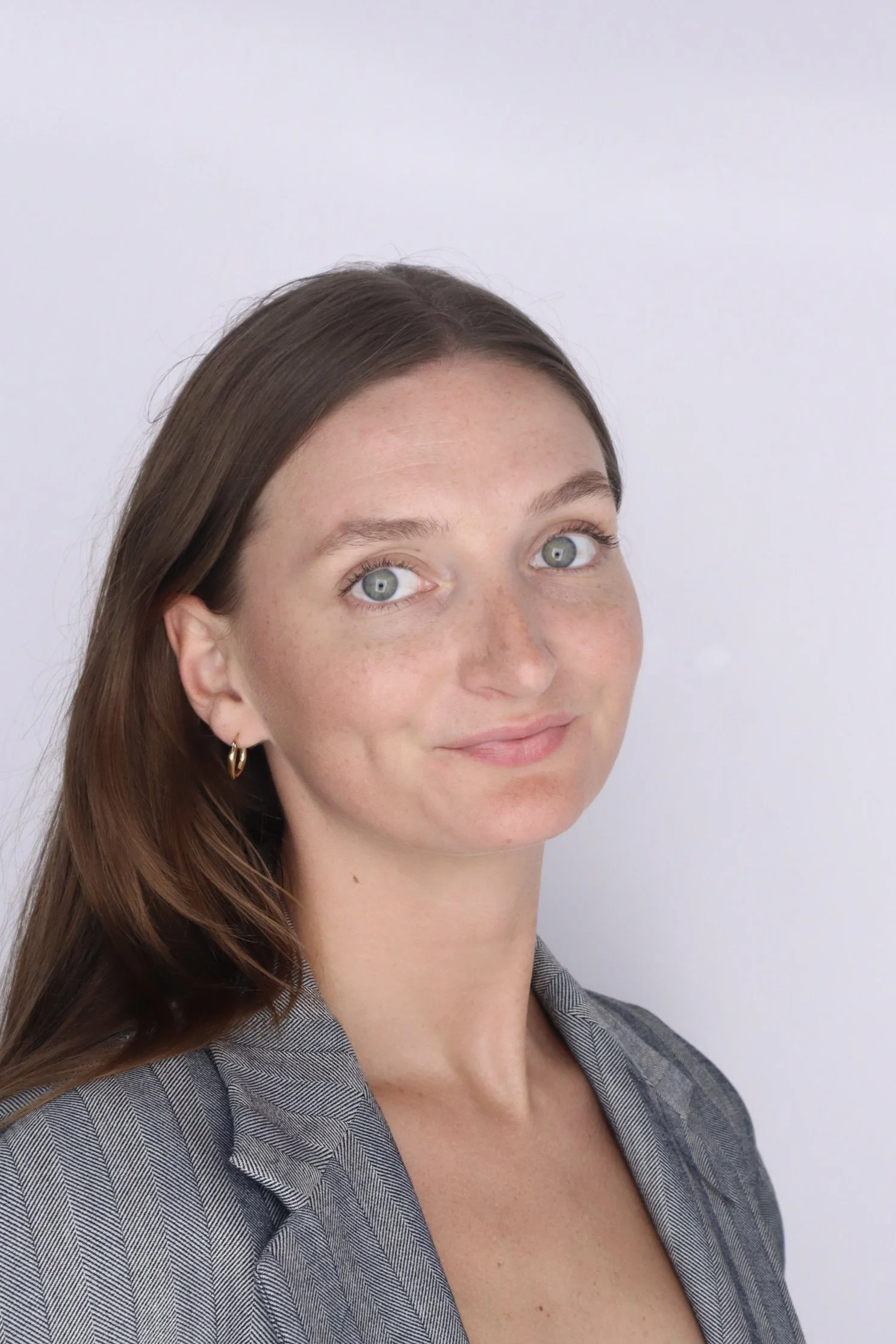
Briana Konecke works at the intersection of destination strategy, regional collaboration, and purpose-built technology. She founded RTN after extensive research revealed how under-resourced rural destinations are as they compete in digital markets against far larger budgets.
Briana grew up in a rural Pennsylvania community. She saw early how much small places have to offer, and how easily they get overlooked by systems built for bigger markets.
Her work in tourism and destination development took her internationally, giving her a wider lens on how destinations grow, fund themselves, and protect their identity. She brings that perspective home to the rural U.S., working at the intersection of destination strategy, regional collaboration, and purpose-built technology.